Individualized Understanding
Every dog has its own temperament, history, capabilities, and learning needs.

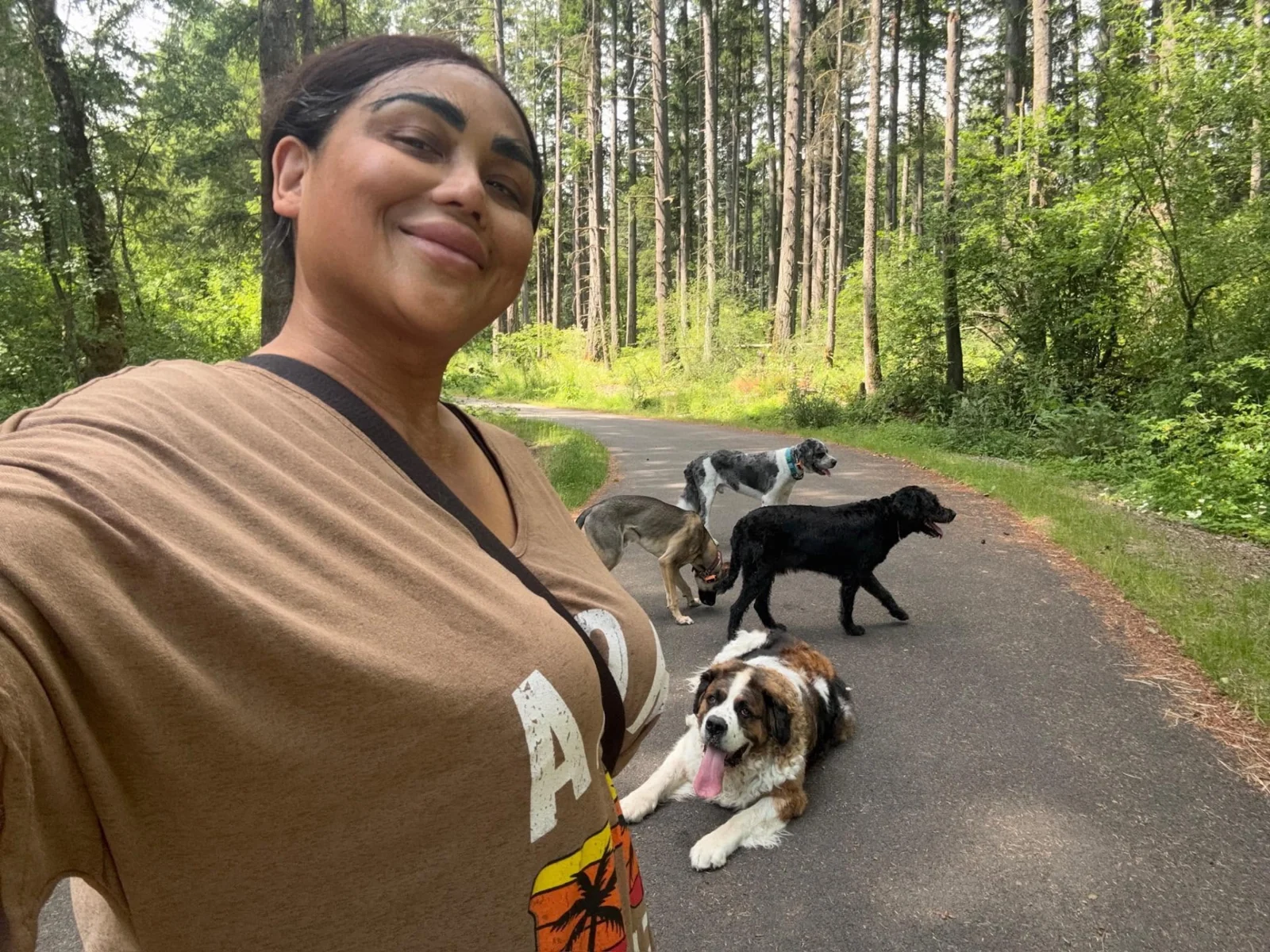
About K9 Trail Trotter
K9 Trail Trotter was built around a philosophy that dogs benefit from more than everyday exercise and affection. Meaningful care begins with understanding the individual dog, offering appropriate guidance, encouraging confidence, and creating experiences that support physical, mental, behavioral, and social development.
Meet Kate Sans
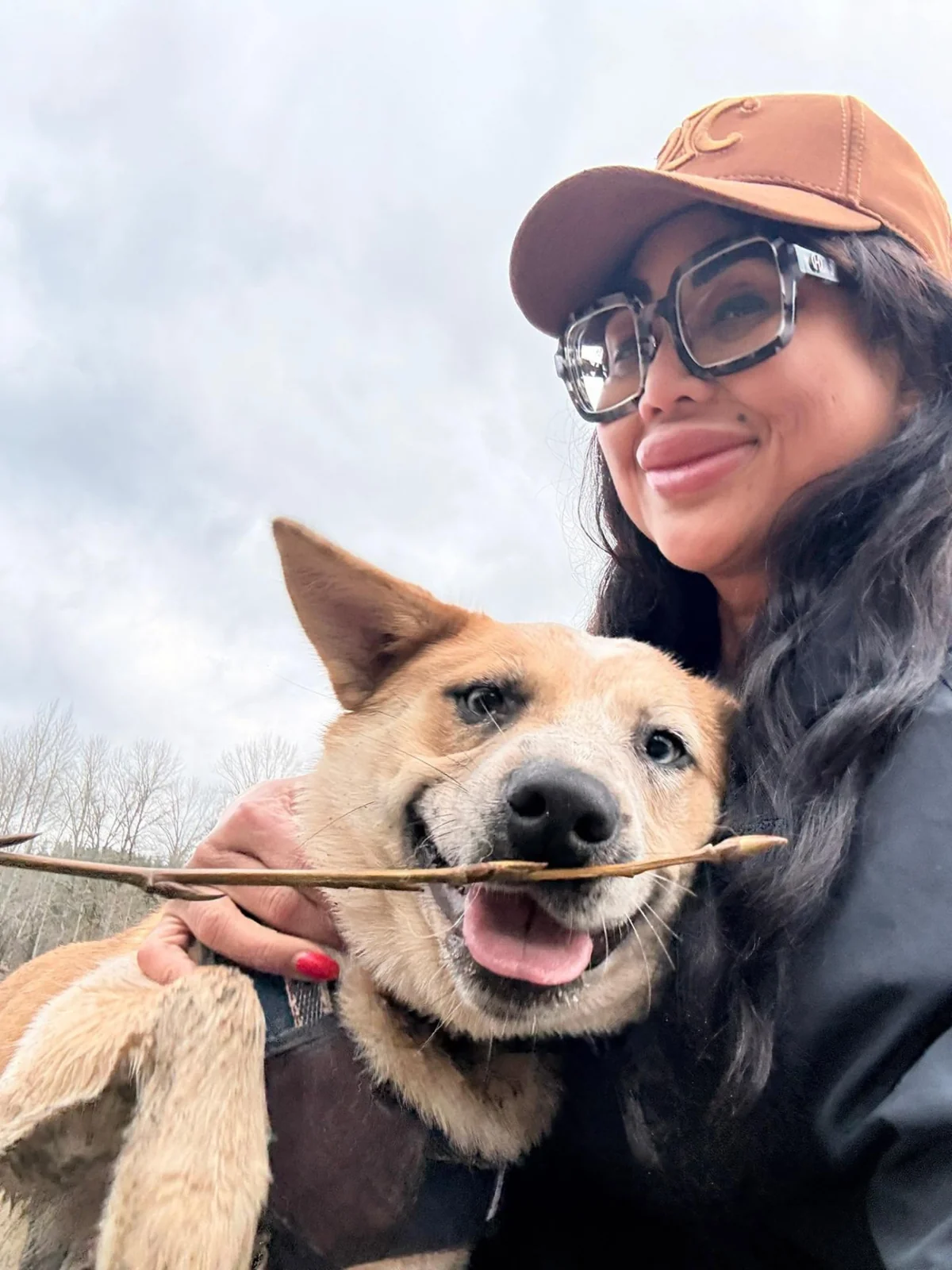
Kate's approach to canine care and development centers on understanding each dog as an individual.
She believes dogs benefit from thoughtful leadership, consistent communication, appropriate boundaries, mental enrichment, physical activity, and opportunities to experience the world beyond their everyday environment.
Through K9 Trail Trotter, Kate combines outdoor adventures, structured socialization with compatible role-model dogs, and individualized training.
Her approach emphasizes real-world learning, behavioral understanding, appropriate guidance, and building confidence through meaningful experiences.
Rather than assuming one training method or activity is appropriate for every dog, Kate considers each dog's temperament, needs, abilities, and learning style.
Kate is a member of the International Association of Canine Professionals (IACP). Membership is not certification, accreditation, or an endorsement by the organization.
Meet the team
Kennel Technician
Melanie brings approximately 10 years of experience and supports the care of dogs at K9 Trail Trotter, helping with daily care, supervision, and appropriate routines.
Why we're different
Every dog has its own temperament, history, capabilities, and learning needs.
Outdoor experiences provide opportunities for movement, confidence, engagement, and enrichment.
Consistent guidance and clear expectations are important parts of the approach.
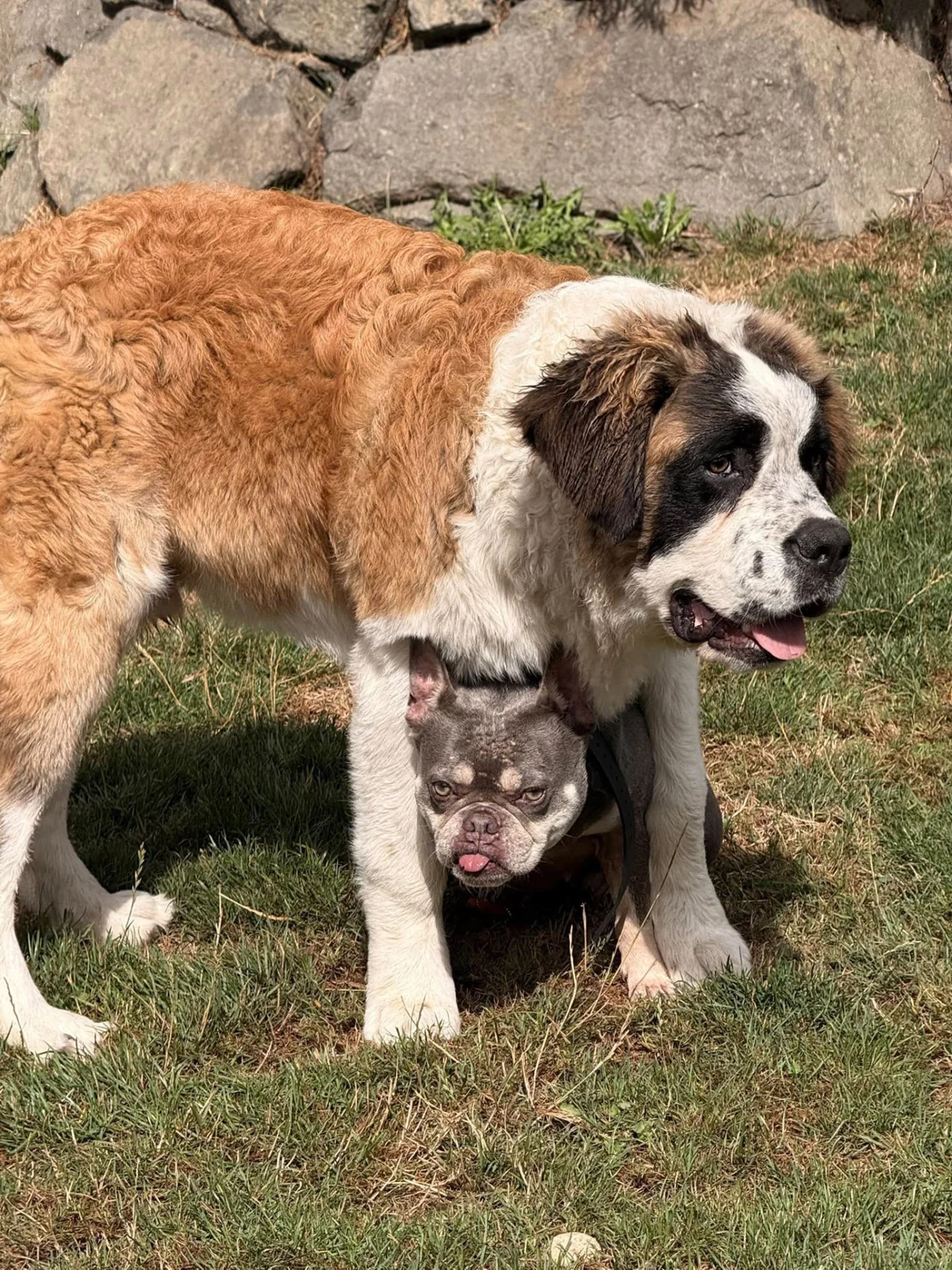
Compatible role-model dogs and supervised experiences may help dogs develop social confidence and awareness.
Training considers physical, mental, behavioral, and social needs rather than simply teaching commands.

The next step