Understanding the Whole Dog
Training should consider the individual dog's physical, mental, behavioral, and social development. Different dogs have different temperaments, experiences, strengths, challenges, and needs.
Our philosophy
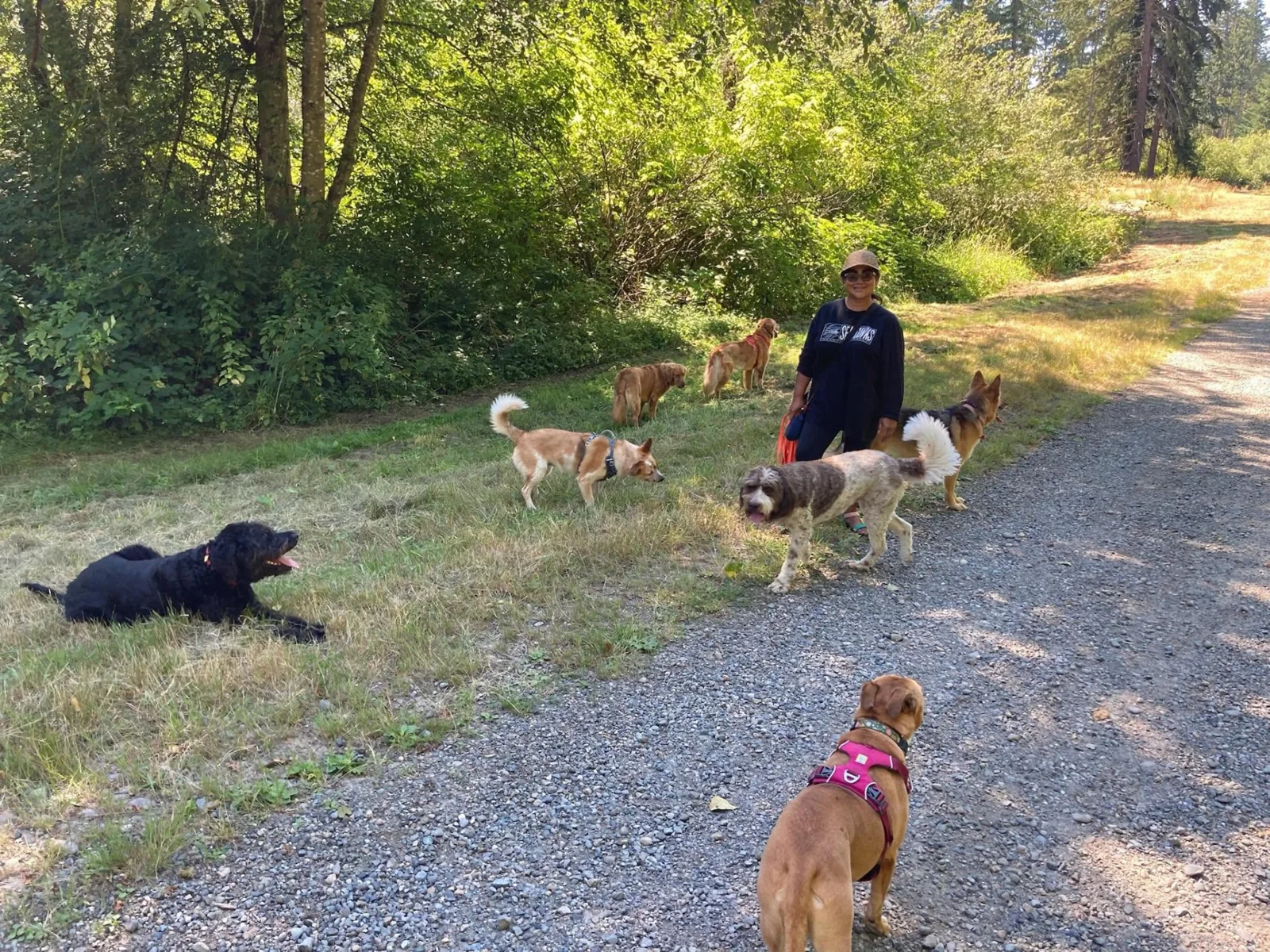
At K9 Trail Trotter & Training Services, we believe effective dog training goes beyond commands and treats. It begins with understanding the whole dog—physically, mentally, behaviorally, and socially.
Our approach is holistic and balanced, recognizing that every dog has individual needs, temperament, learning style, and behavioral challenges.
We incorporate positive reinforcement, clear communication, structure, boundaries, and appropriate accountability. Depending on the individual dog and circumstances, training tools and corrective methods may also have a role when selected and applied responsibly.
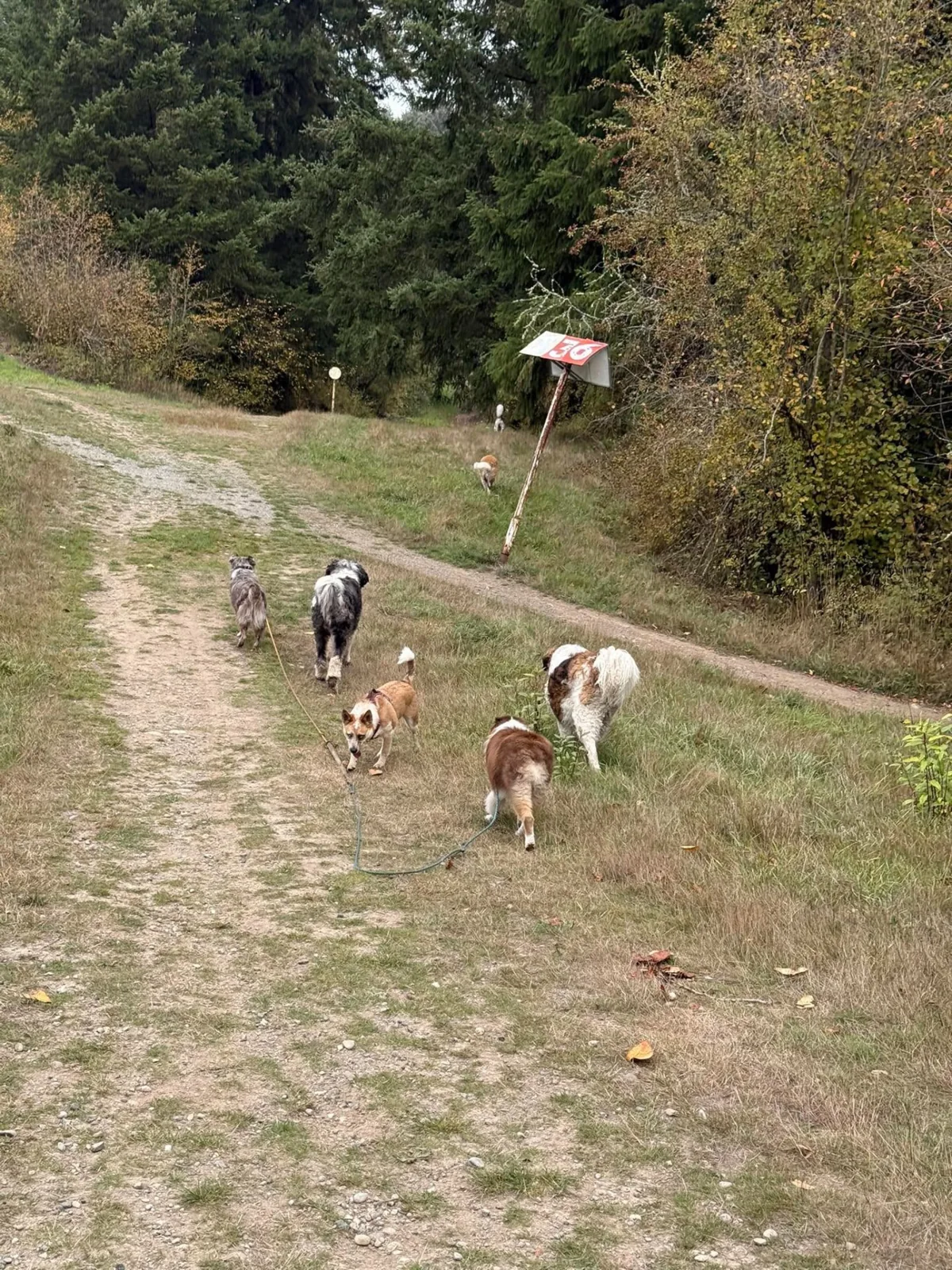
We believe in developing confident, capable dogs through meaningful experiences, consistent guidance, appropriate socialization, and real-world learning.
Our goal isn't simply to teach dogs what to do. It's to help them develop the skills to navigate the world, make better choices, and build stronger relationships with the people who guide them.
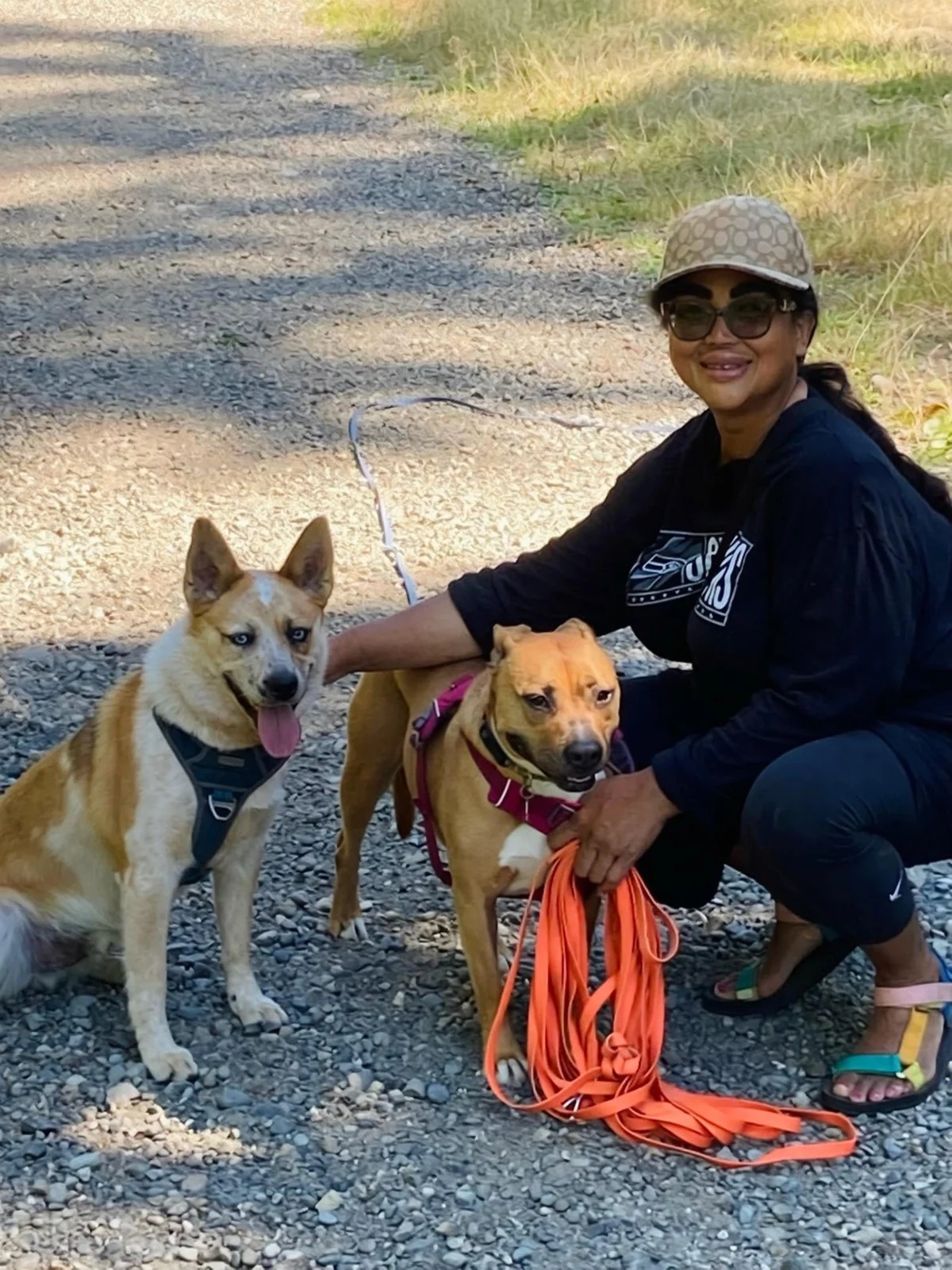
Training should consider the individual dog's physical, mental, behavioral, and social development. Different dogs have different temperaments, experiences, strengths, challenges, and needs.
Positive reinforcement plays an important role in teaching and strengthening desirable behaviors. Kate also believes in clear communication, consistency, boundaries, appropriate accountability, and training tools or corrective methods when warranted and responsibly selected.
Consistent expectations and clear communication are central to the training philosophy. Appropriate structure and guidance help dogs understand expectations and navigate everyday experiences.
Socialization is not simply putting unfamiliar dogs together. K9 Trail Trotter considers temperament, body language, comfort, compatibility, and individual needs. Compatible role-model dogs may support structured learning, but participation is never forced or guaranteed.
Real-world experiences, appropriate environmental exposure, and meaningful activities can support confidence and engagement. Activities should be adapted to each dog's developmental stage and needs.
There is no universal method suitable for every dog or situation. Training choices should consider the dog's circumstances, learning style, welfare, and agreed goals.
Because a well-rounded dog needs more than obedience. They need balance, understanding, guidance, and opportunity.
PLAY. TRAIN. THRIVE.